FIFA officials learned from Zhao Song Zhong Zheng Zhong Zhong Zhong Zhong Zing
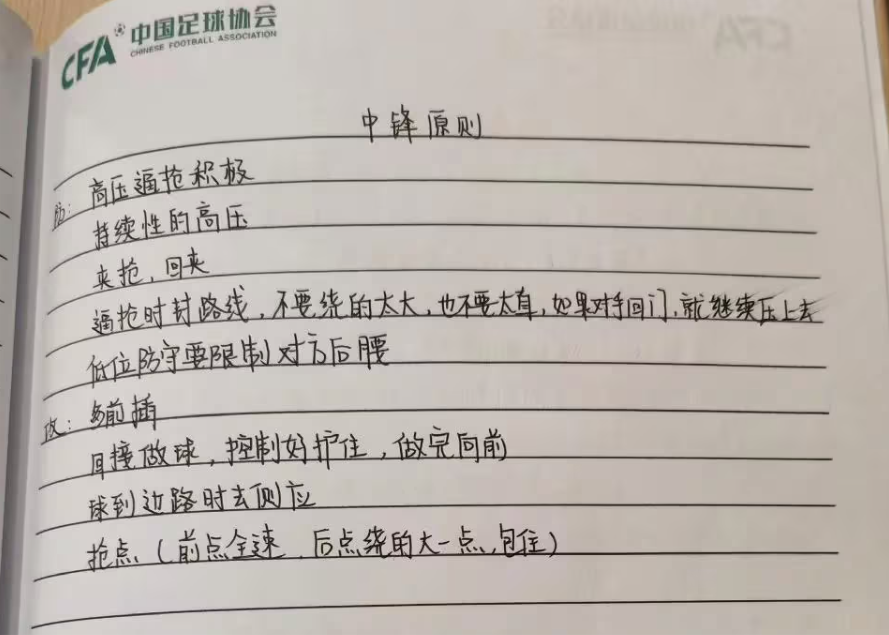
The FIFA official network wrote about the U17 mini-general Zhao Songgen in China and shared his notes, which are the full text of the FIFA official network.
Zhao Matsugen is a player in a deep-seated drill, and the notebook and pen never leave. In his well-organized notebook, he documented tactical ideas, runoff analysis, learning and reflections on the challenges facing Chinese football. The 17-year-old Chinese pioneer, who grew up in the digital age, has chosen to sharpen his talents with paper and pens, which have shaken the world and made him a hot topic in social media over the past few hours.
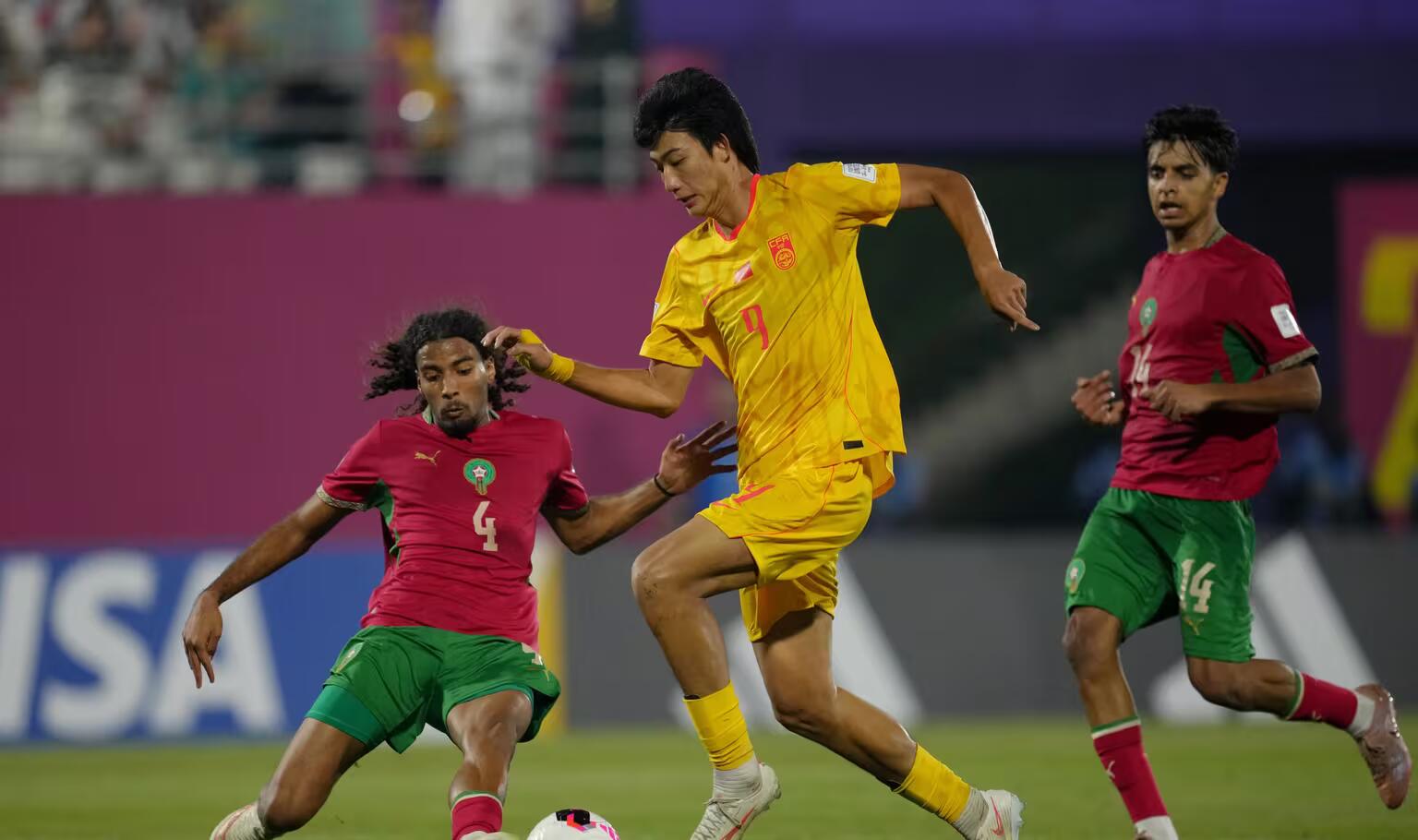
At the U17 World Cup in Qatar in 2026, the rest of the world finally witnessed first-hand what Chinese fans already knew. From Qatar to the world, one of the most conservative secrets of Chinese football is gaining momentum. The second wave against Morocco, combined with a series of dramatic moves combining strength, technology and agility, inspired the imagination of the fans.
Zhao Songgen, 6 feet and 5 inches (195 cm) tall, has a formidable physical condition that can suppress the defensive players, while he can use the ball under his feet to keep his opponent out of control. As a result of his unusual physical combination with classical ballet dancers, the media and fans have equated Zhao Songgen with Zlatan Ibrahimović. There is also growing interest in whether the Chinese team has finally found someone to lead its football revolution.
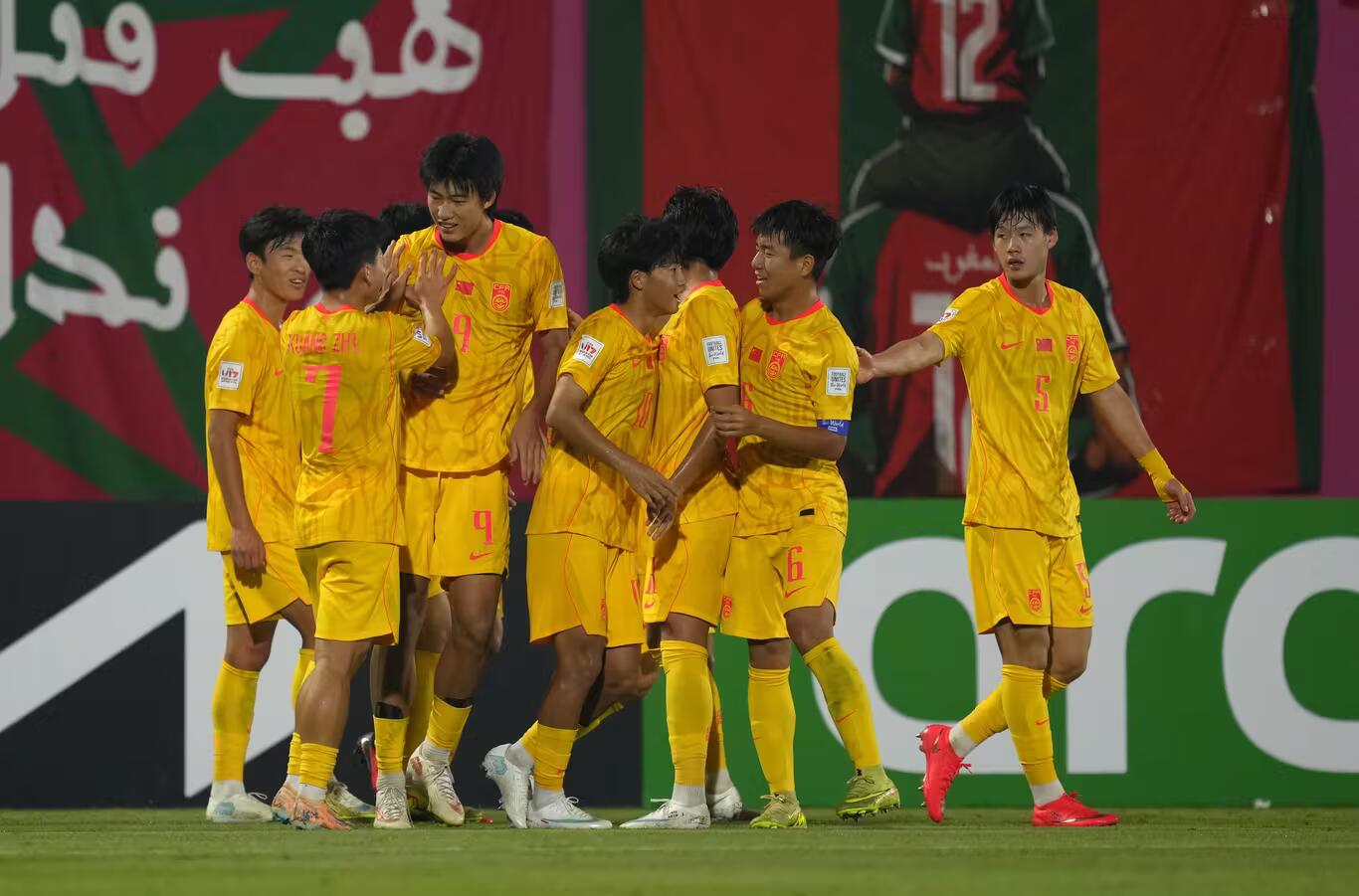
Born in Beijing on 7 April 2009, Zhao Songgen is from a sports family: his father was a football player and his mother was a volleyball player. Following the completion of primary school, Zhao Songgen has embarked on an extraordinary path. Zhao Song-won chose one of China's most famous universities... - Secondary schools attached to the University of Chinghua.
His family supported him on this path of balancing education with football, and his father spared no effort in arranging additional training for him on weekends. In 2024, he experienced international football for the first time and was recruited into the Chinese U15 national team, marking the beginning of his rapid rise. Zhao Song Zheng scored 11 goals in five of the pre-elections for the U17 Asian Cup, six of which were won in a single game against Brunei. He also won the finals in May 2026, even though the Chinese team ended up against the Japanese team.
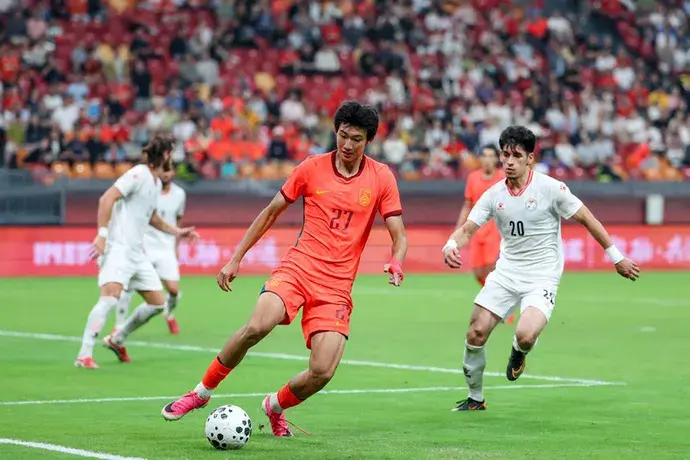
Only four months later, Zhao Songheng, who had no experience in professional competitions, had completed the Chinese National Adults ' premiere in the match against Maldives. He was only 17 years and 170 days old and became the youngest player in the adult team representing the national team. His new career is well known for its rapid pace of growth, and all of this has taken place in a dazzling manner.
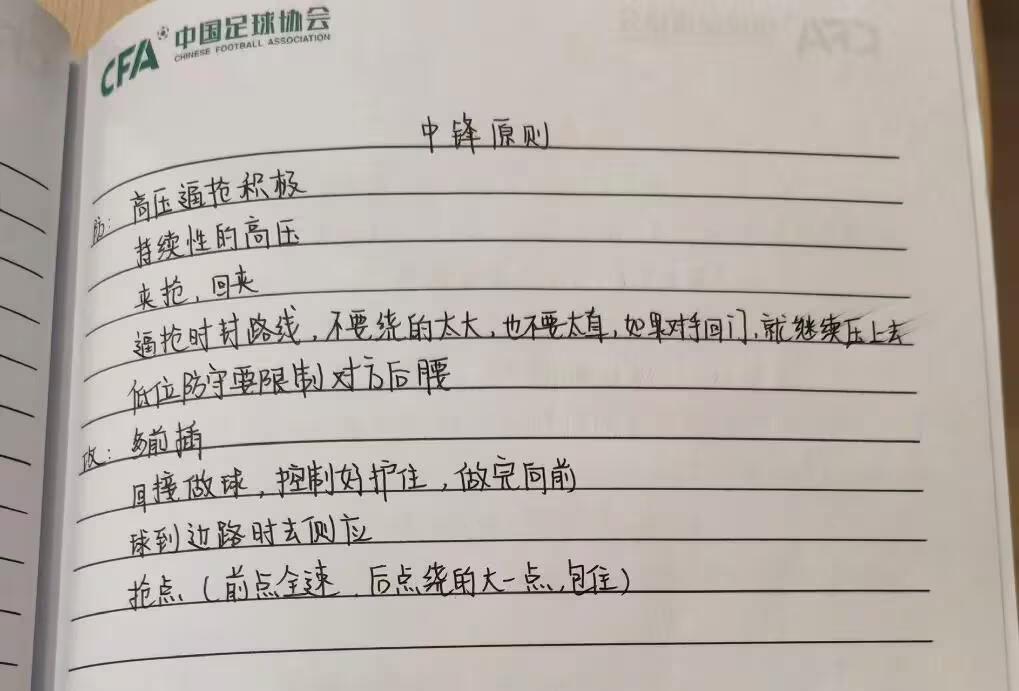
In May 2026, the Chinese Football Association demonstrated the different sides of the front and published pictures of the pages in his football notebook. It includes specific guidance as to how to get high as the centerman: maintain strength, cooperate with the teammates to take control of the run, cut the pass route and continue to exert pressure when the opponent returns to the gate.
In the finals of the U17 Asian Cup against Japan, Zhao Songjin was forced to win a spot for the Chinese team. A few months later, in Qatar, Zhao Songgen ' s relentless and aggressive efforts to confront his peers undermined Morocco ' s offensive organization, enabling him to capture one of the other ' s missed balls and to pull his head off for the team (finally 2-2). What he's studying on paper is producing fruit on the field, and Zhao Matsugen again proved that his notes worked.
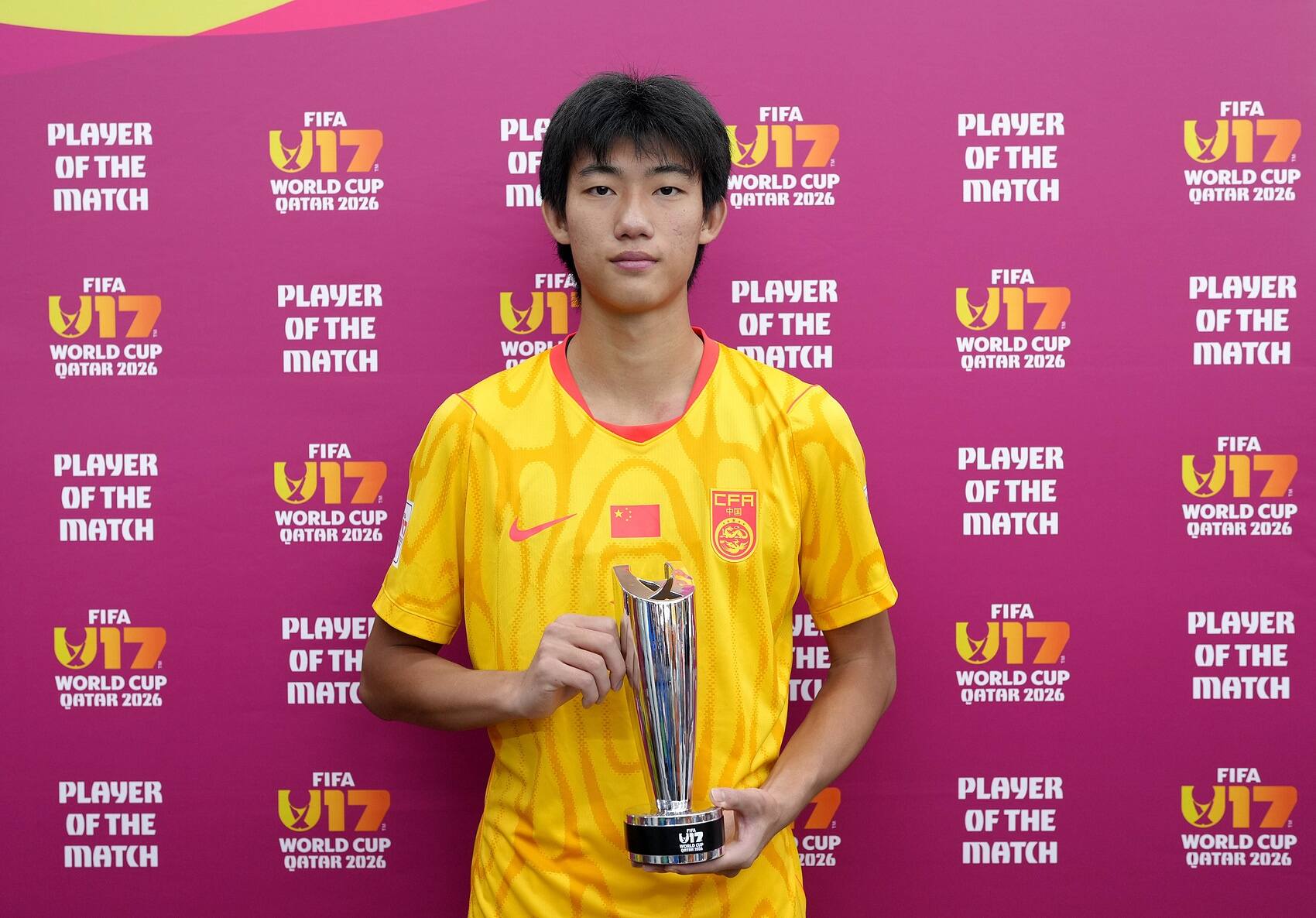
It was only a week before the game, when Zhao Song-won tried to break the door again in the second half of the game and was rated as the best player in the game. “I am happy, but also disappointed that I failed to help the team score three points,” he said in the mixed interview area, emphasizing the importance of the team’s efforts to create opportunities.
But Zhao Songgen's notes go far beyond tactical observation and analysis of the immediate opponent. In January 2026, after seeing the Chinese team with zero-4 against the Japanese team, the U23 Asian Cup, he wrote a reflection on the difference between the two teams.
The last sentence of that journal gives a glimpse of how far his goal is: “We need to recognize the gap between one another and be faithful to our original goal, and one day we will win the champion of our own.”
Ten months later, Zhao Song Zheng is participating in the U17 World Cup, and he has joined the adult team on behalf of the national team and is now starting to draw attention outside China. This is just the beginning of a story, and there are many chapters to write in the future.