L 'Equipe Science Popularization: ACL rupture does not necessarily require surgery, and recurrence is likely within 6 months of recovery
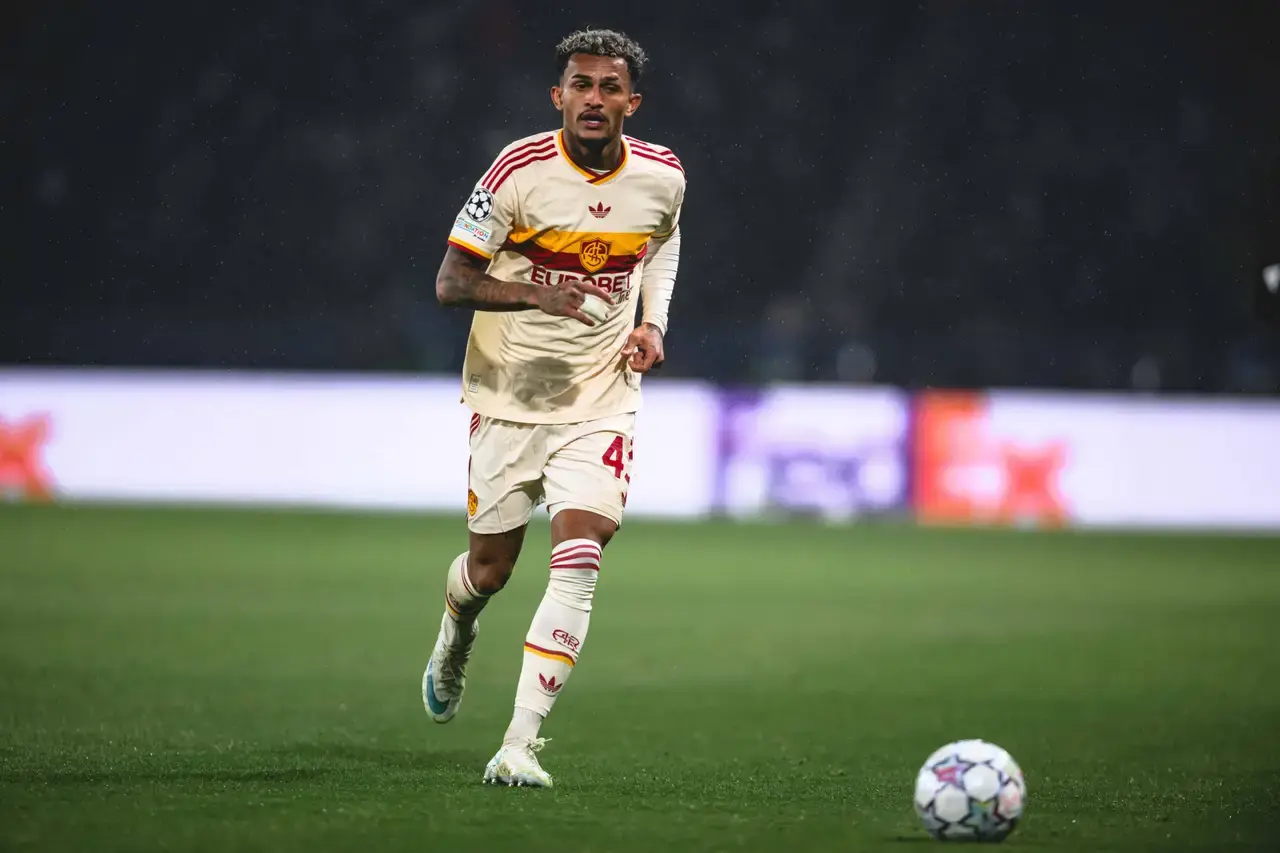
After Khvicha Kvaratskhelia and Duai of Paris Saint-Germain suffered ACL rupture injuries one after another, the French media L 'Equipe published an article to popularize the injury.
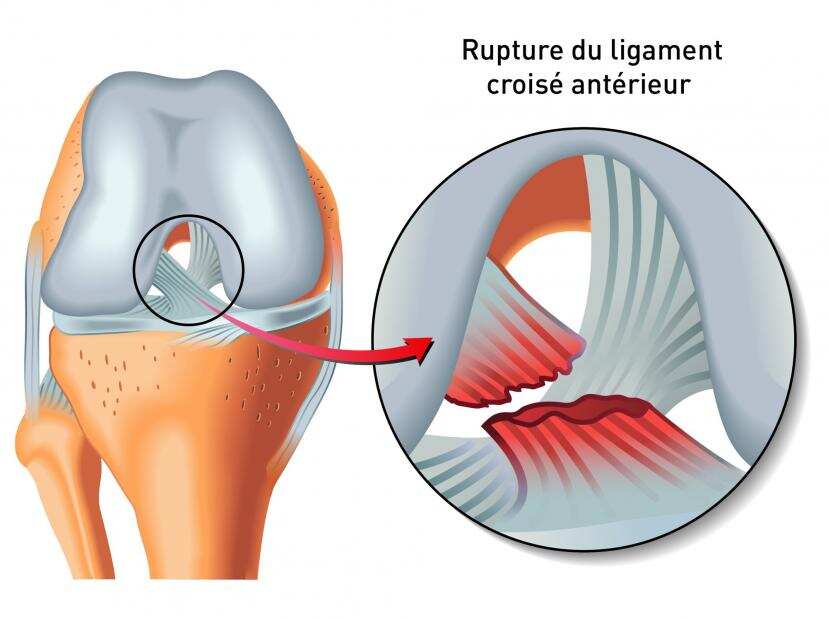
What exactly is the cruciate ligament? Two ligaments cross inside the knee joint, forming an X shape, which is why it gets its name. They connect the femur and the tibia, ensuring the stability of the knee joint. The anterior cruciate ligament (ACL for short) prevents the tibia from sliding forward and stabilizes the knee joint during sharp turns, sudden stops, and changes in direction. The posterior cruciate ligament, on the other hand, can prevent the lower leg from dislocating backward and is much stronger.
In spoken French, it is often said "to break the cruciate ligament", but the vast majority of tear cases actually only occur in the anterior cruciate ligament (with an incidence rate ten times that of the posterior cruciate ligament). The term "broken cruciate ligament" that people usually refer to generally means the anterior cruciate ligament. Skiing is the most popular sport, followed by football and rugby.
Is surgery necessary after a torn anterior cruciate ligament?
Not necessarily. One of the top knee experts in France, Dr. Bertrand Sonnery-Cotai, explains: "The treatment plan varies from person to person and depends on the patient's exercise habits and age." He has coached many professional football players, including Ibrahimovic when he was playing for AC Milan in 2022.
The core risk lies in knee instability and dislocation. In simple terms, the younger one is and the more one engages in sports that require changing directions or jumping (such as football, rugby, skiing, handball, basketball, etc.), the higher the risk of joint instability, and the more surgery is recommended.
Are the conditions the same for all injured people in all sports and at all levels?
It's different. Dr. Sonneri-kote continued to explain: "After young people get injured while skiing, if they only plan to do activities like straight cycling and swimming later on, the risk of joint instability can almost be ignored and surgery may not necessarily be necessary." Conversely, if one still wants to continue skiing in their sixties, this sport places a huge burden on the knee joints. It is necessary to ensure joint stability and surgery is highly likely to be required.
Nowadays, almost all high-level athletes choose surgery, but there are also a few football players who rely solely on muscle strengthening to continue their careers without surgery. Antoine Reviere, the former Lyon national team defender, is a case in point. There are also athletes who won Olympic gold MEDALS without their cruciate ligaments. For instance, French athlete Pierre Voltier claimed the championship in the snowboard cross-country event at the 2014 Sochi Winter Olympics.
The transfer market in the football field has changed the logic of choice. Bertrand Sonnery-Kote pointed out: "Nowadays, no club would spend a fortune to sign a player who has not undergone surgery and is at risk of knee instability."
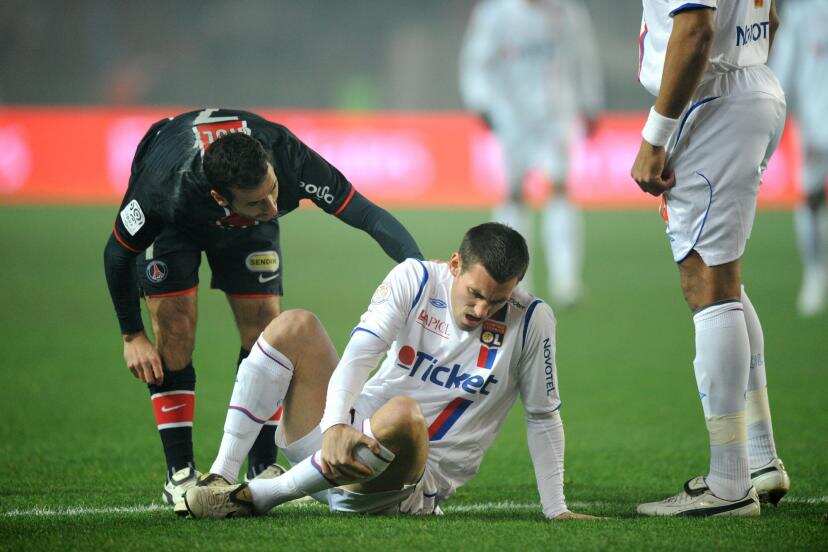
What risks will one face if they refuse surgery?
After a torn anterior cruciate ligament, if the knee joint is continuously subjected to jumping, impact, and directional loads, the meniscus and cartilage will bear abnormal pressure. Joint dislocation may occur, accompanied by damage to cartilage and meniscus. For young people, this is like a time bomb: they may develop osteoarthritis prematurely in two or three decades, leading to limited mobility and long-term chronic pain.
Dr. Sonneri-kotei warns: "Young injured people who do not undergo surgery and continue to participate in combat sports have a significantly increased risk of meniscus injury three months after the injury." One year later, the risk will soar sharply.
How long should one wait after getting injured before having an operation?
Bertrand Sonneri-Kote said the operation was not urgent. In people's impression, professional players undergo surgery within a few days of injury because the absence brings huge financial pressure. At the same time, they have professional medical teams that can help reduce swelling in the knee joints. Amateur athletes usually have to wait for several weeks until the condition of their knee joints improves before undergoing surgery. Rehabilitation training should start before the operation.
This leads to a rather strange situation: On the day of the surgery, after physical therapy, you feel much better and can walk normally, but you still have to lie on the operating table, which gives you a somewhat "execution ground" feeling.
Why is the recovery period so long?
Anterior cruciate ligament tears, like Achilles tendon ruptures, are among the injuries that keep athletes away from the competition for the longest time: at least six months of rest is required, and more commonly, nine to twelve months. The reconstruction of ligaments is no simple matter. Surgeons will use autologous tendons to replace ligaments. The tendons will repeatedly fold, and the materials are mostly taken from the hamstrings, quadriceps, and sometimes patellar tendons.
The key issue lies in the fact that tendons, unlike primary ligaments, do not have blood vessels running through them and are thus less strong. When the transplanted tendon is placed in the position of the original ligament, it takes several months for it to vascularize before it can withstand torsion, sharp turns and impacts like the original ligament. During the long period of recuperation, the connection functions of human tissues and neuromuscular tissues decline significantly, so the recovery period is very long.
What is the risk of recurrence?
Experts remind: Surgery will not make the knee joint "forever injured". It is not so ideal. Approximately 15% of the sports population who undergo anterior cruciate ligament reconstruction will experience a ligament tear again in their lifetime: either the transplanted ligament on the surgical side ruptures again or the anterior cruciate ligament on the other knee is damaged.
People under the age of 25 and those engaged in sharp turns, jumps, and directional support activities (football, rugby, handball, skiing) have a higher risk of recurrence. Dr. Sonnery-cote provided data: In the French national skiing team, 30% of the patients have their knee ligaments torn again on the operated side, and another 30% will experience ligament rupture on the other side of their knees. Among professional football players, approximately 15% have the same knee broken again, and 15% have the other knee injured.
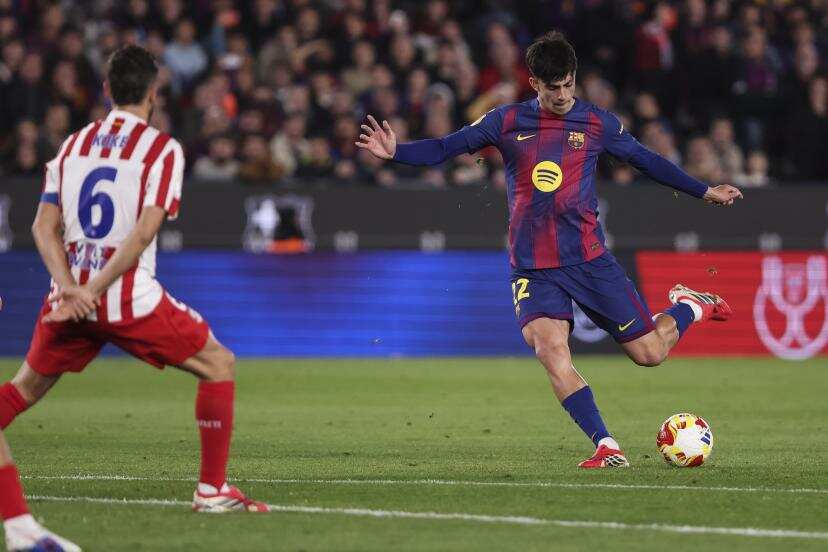
Are there any new advancements in medicine?
Regrettably, the current new technology cannot shorten the time to return to exercise, but it can reduce the recurrence rate. There is a surgical approach that can reduce the risk of torn transplanted ligaments: combined anterior cruciate ligament and anterolateral ligament reconstruction (ACLR+ALLR).
A study by Dr. Sonnery-kote involving 550 patients followed up for nearly five years showed that the rate of transplanted ligament rupture in the group that received ACLR+ALLR combined reconstruction was 4.2%. The fracture rate of the single standard anterior cross reconstruction group was 10.3%.