The BBC: Several Premier League clubs have called for forcing the owner of Manchester City to sell the team
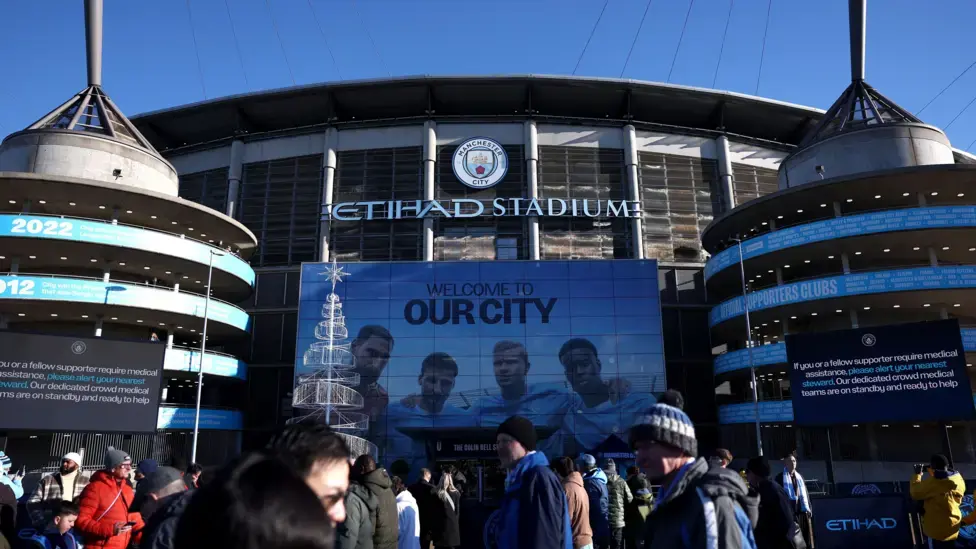
According to the BBC, several top executives of Premier League clubs have stated that as a punishment for violating financial rules, the owner of Manchester City must be forced to sell the club.
This week, David Cogan, the chairman of the UK's independent football regulator, made it clear that he has the nerve to take action against Manchester City. Although Manchester City firmly denies the violation and has filed an appeal, according to the law, the regulatory authorities have the right to replace unqualified club directors and, in the most serious cases, force the owner to sell the team.
So far, executives from three Premier League clubs have told the BBC that they believe a "forced sale" is the most appropriate punishment for Manchester City. Previously, Manchester City was found to have violated the Premier League's financial regulations between 2009 and 2018 and failed to cooperate with the relevant investigation.
At present, the independent committee has not yet decided on the final penalty result. The scope of penalties is very broad and may include fines, point deductions, deprivation of previous championship titles, and even expulsion from the Premier League.
However, an anonymous executive said that a group of clubs, including themselves, believe that any punishment would be "scratching the surface" if the Manchester City owner does not leave. He said straightforwardly that if the penalties were not severe enough, they would question why each club still had to pay money to keep the regulatory body running.
Another executive pointed out that Manchester City's violations have seriously damaged the credibility of the Premier League. According to the investigation, Manchester City inflated its revenue by 900 million pounds and concealed its losses through "false" business arrangements. The executive believes that if the current boss remains in his position, this scandal will never be put to rest.
The current owner of Manchester City is the ABU Dhabi United Group, a private investment company belonging to Mansour. Although some clubs have remained silent or are waiting for the final ruling, the calls from some clubs for a "forced sale" have put great pressure on the chairman of the regulatory body, Kogan, which has only been established for one year. This is regarded as the most severe test the institution has faced since its establishment.
This matter also involves sensitive international relations. Some people are worried that if Manchester City is forced to change hands, it might affect the trade and investment of the United Arab Emirates in the UK. Burnham had previously stated that he was very concerned about the withdrawal of investment from Manchester City's owners, as they are important partners in the city's development.
In this regard, Kogan emphasized that regulatory agencies will not be influenced by any political pressure. He said at the parliamentary hearing: "No matter how famous or large the club is, we must fulfill the duties conferred by law." If the evidence is conclusive but we do not take action, then what is the point of establishing a football regulatory body?
To deal with possible legal disputes with Manchester City, the regulatory authorities plan to establish a £2 million litigation reserve fund over the next two years by charging fees to each club. If the legal costs exceed the budget, the British government will provide a loan to cover the expenses, and the club will eventually repay the costs.
It is understood that the annual operating cost of this regulatory body is approximately 20.3 million pounds, which is shared by the professional clubs from the Premier League to League Two.
In response to these accusations and calls, Manchester City had previously stated that the committee's ruling contained "obvious legal and factual errors", and claimed that it had "irrefutable evidence" to support its innocence. At present, Manchester City has not made the latest response to the rumors of a "forced sale".